


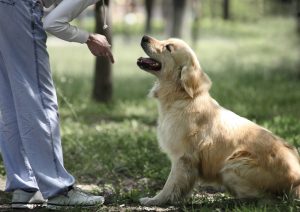
 If you've scrolled past videos of dogs wandering off-trail with their nose glued to the ground, moving in zig-zags instead of a straight line, you've seen a decompression walk, sometimes called a "sniffari." It's one of the biggest shifts in dog care this year, and it's not just a social media trend. Trainers and veterinary behaviorists increasingly recommend it as one of the most effective tools for calming reactive, anxious, and easily overstimulated dogs.
At Unleash Fido, we build decompression time into behavior modification and off-leash programs for exactly this reason: a dog who knows how to truly relax is a dog who's easier to live with, easier to train, and safer to walk. Here's what a decompression walk actually is, the science behind why it works, and how to try one with your own dog.
What Is a Decompression Walk?
A decompression walk is an unstructured, dog-led outing in a low-stimulation, natural setting, a trail, field, or quiet wooded area, where your dog decides the pace, direction, and how long to investigate any given smell. There's no heel command, no destination, and no rush. If your dog wants to stand in one spot sniffing a fallen log for five minutes, that's the point, not a problem.
This is very different from a typical neighborhood walk on a six-foot leash, where a dog is mostly moving in a straight line at a human's pace, scanning for things to react to rather than freely exploring them. The term is generally credited to canine behavior consultant Sarah Stremming, who popularized it as a way of giving dogs freedom of movement in a natural environment, usually on a long line rather than off-leash.
The Science: Why Sniffing Calms Dogs
The reason decompression walks work comes down to canine anatomy. Dogs have roughly 300 million olfactory receptors, compared to about 6 million in humans, and the part of a dog's brain devoted to processing smell is dramatically larger than ours in proportion. When a dog sniffs, they're not just noticing a scent, they're gathering detailed information from their environment.
That sustained sniffing behavior appears to trigger dopamine release and has been associated with lower heart rate and reduced cortisol (the primary stress hormone) in dogs. In practice, that means 20 minutes of unhurried sniffing can be more mentally tiring, and more calming, than an hour of brisk exercise. It's mental fatigue, not just physical fatigue, that helps a dog settle.
Who Benefits Most From Decompression Walks
Decompression walks aren't only for dogs with issues, every dog benefits from the enrichment. But they're especially valuable for:
- Reactive dogs who bark, lunge, or tense up around other dogs, people, or traffic
- Anxious or fearful dogs, including many rescues adjusting to a new home
- High-energy or working breeds that need cognitive fatigue, not just miles
- Adolescent dogs who are still overwhelmed by everyday stimulation
- Senior dogs with mobility limits, who can do a shorter, gentler version
- Bored dogs showing destructive behavior at home from a lack of mental outlets
Gear You'll Need
- A back-clip, Y-front harness this keeps pressure off the shoulders and throat during long, meandering walks. Avoid clipping a long line to a collar or a front-clip harness.
- A long line, 15–30 feet biothane or nylon works well. Skip retractable leashes; they don't give reliable control and can cause injury if a dog hits the end at speed.
- High-value treats for recall practice and check-ins.
- Water, poop bags, and (in brushy areas) a high-visibility vest so your dog stays easy to spot.
How to Do a Decompression Walk: Step by Step
- Choose a quiet, natural location. Trails, nature preserves, or open fields work better than sidewalks or busy parks. Aim for low foot traffic.
- Go during off-peak hours. Early morning or weekday visits mean fewer distractions and less risk of encountering other dogs unexpectedly.
- Clip the long line to the back of the harness. Never to a collar or the front chest clip.
- Let your dog choose the pace and direction. Resist the urge to keep them moving, the wandering and lingering is the exercise.
- Only intervene for safety. Step in for wildlife, hazards, or other dogs and people, not to redirect normal sniffing or exploring.
- Reward check-ins. If your dog glances back at you or returns on their own, mark it with a treat, this builds recall without interrupting their exploration.
- Watch their body language. A loose body, low tail wag, and relaxed ears are good signs. Aim for 20–45 minutes depending on your dog's age and stamina.
Common Mistakes to Avoid
- Using a retractable leash instead of a fixed-length long line
- Clipping to a collar or front-clip harness, which can strain the neck or shoulders on a long line
- Choosing a crowded dog park or trail, the goal is low stimulation, not more socializing
- Constantly redirecting your dog away from sniffing to "keep moving"
- Skipping recall practice before attempting a longer line off a busy path
Decompression Walk vs. Sniffari vs. Regular Walk
The terms are often used interchangeably, but there's a useful distinction: a decompression walk typically refers to a longer session (20–45+ minutes) in nature where a dog has significant freedom of movement, often on a long line. A sniffari is sometimes used for a shorter or lower-mobility version of the same idea, ideal for senior dogs or dogs recovering from injury. A regular walk is the structured, leashed walk most owners are used to, which is still useful for exercise and basic manners, but doesn't offer the same mental enrichment.
Great Local Spots for Decompression Walks Near Tampa & Jacksonville
Skip the crowded dog parks for this one, you want quiet, natural terrain. A few options our clients have had good luck with:
Tampa area:
- Lower Hillsborough Wildlife Management Area (Thonotosassa)
- Wilderness Conservation Park, Morris Bridge Site (Thonotosassa)
Jacksonville area:
- Julington Durbin Creek Nature Preserve
- Theodore Roosevelt Area at Timucuan Preserve
- Tillie K. Fowler Regional Park
Always check current leash rules before you go, Florida parks generally require dogs to be leashed unless an area is specifically designated off-leash, and a long line satisfies that requirement in most locations.
When to Bring in a Professional
Decompression walks are a powerful tool, but they work best alongside solid foundational training, especially for dogs with real reactivity, fear, or anxiety issues. If your dog lunges at triggers, struggles with recall, or seems to get worse rather than better around other dogs, that's usually a sign the underlying behavior needs professional support, not just more enrichment.
Unleash Fido's Behavior Modification and Off-Leash Training programs in Tampa and Jacksonville are built around exactly this kind of relationship-based, trust-first approach. If you'd like help building a decompression routine that actually improves your dog's behavior over time, reach out to our trainers for an evaluation.
FAQ
How long should a decompression walk be?
Most dogs do well with 20–45 minutes, depending on age, breed, and energy level. Senior dogs or those with mobility issues may only need 10–15 minutes.
Can puppies do decompression walks?
Yes, once they're fully vaccinated and comfortable on a leash. Keep sessions shorter and in very low-traffic areas while their recall and confidence are still developing.
Is a decompression walk the same as a regular walk?
No. A regular walk is typically structured and leashed for exercise. A decompression walk prioritizes mental enrichment through unrestricted sniffing and exploring in a natural setting.
How often should I do decompression walks?
Once or twice a week is a great starting point for most dogs, with more frequent sessions for dogs working through reactivity or anxiety.
Do decompression walks replace obedience training?
No, they complement it. Decompression walks help lower a dog's baseline stress, which often makes obedience and behavior work more effective, but they don't teach commands or manners on their own.